
 EN
EN  Bulgarian
 Magyar
 Polish

Profile dressing
Most Popular
Newest
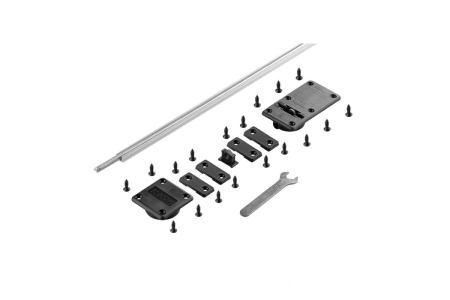
Showing:1-48 of 135products
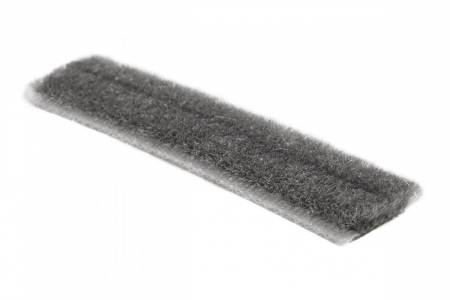
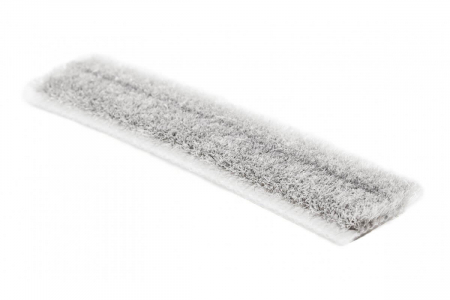
Filter Brush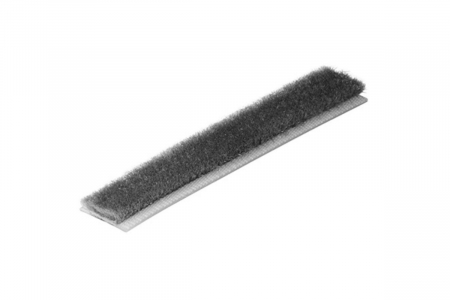
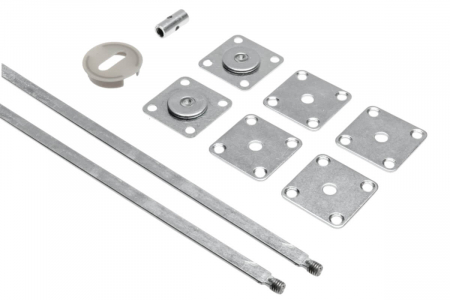
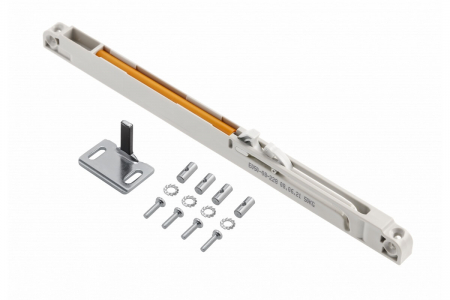
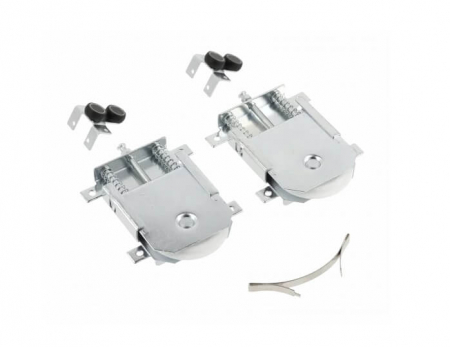
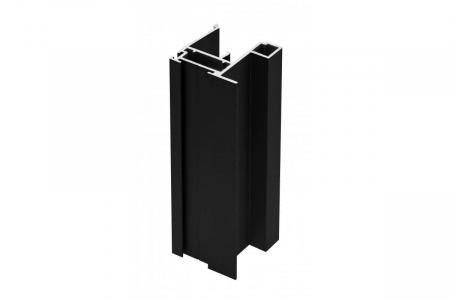
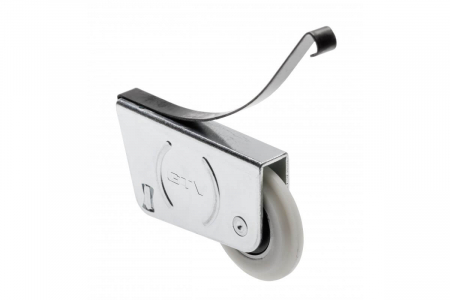
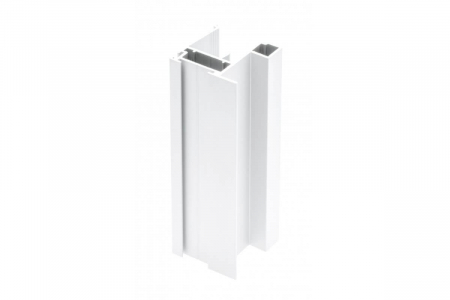
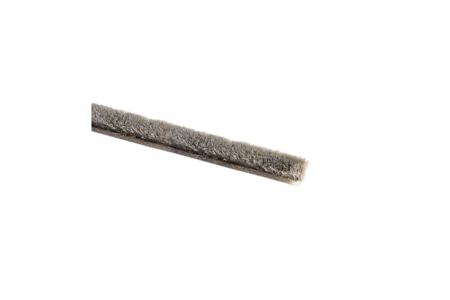
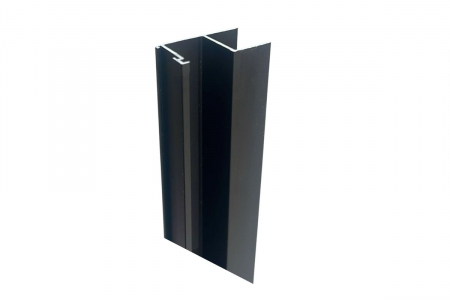
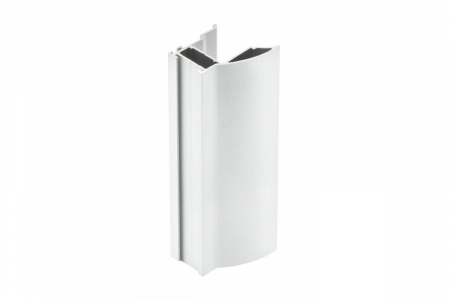
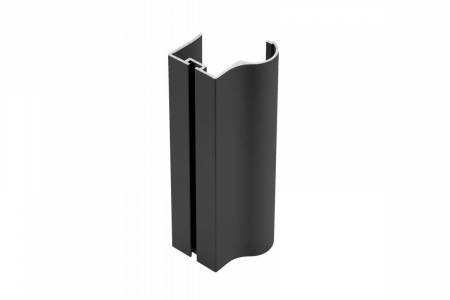
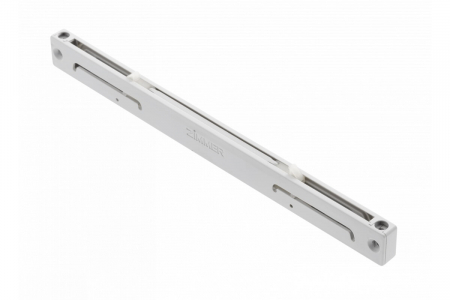
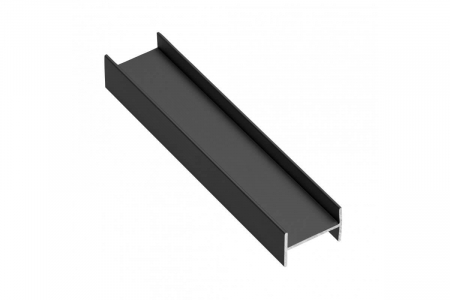
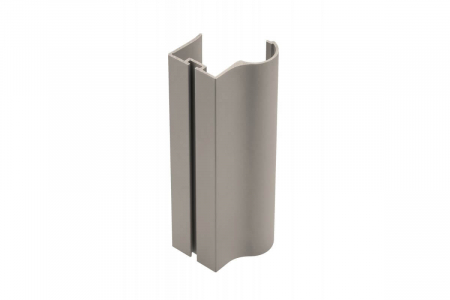
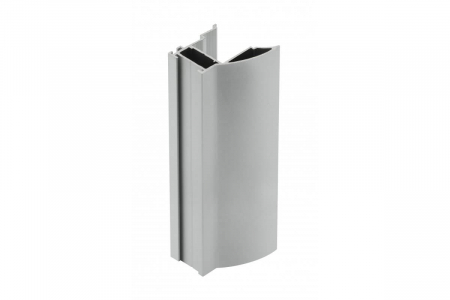
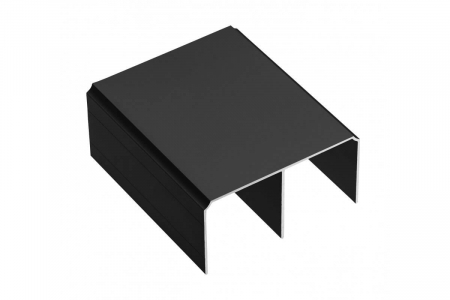
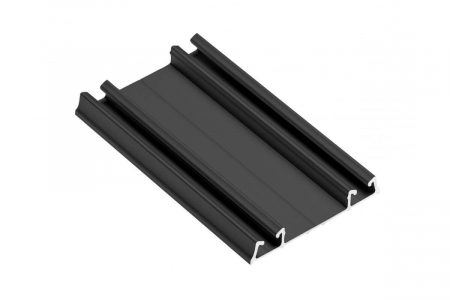
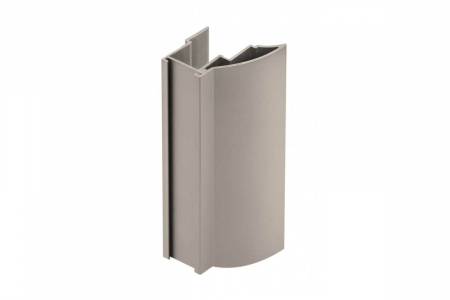
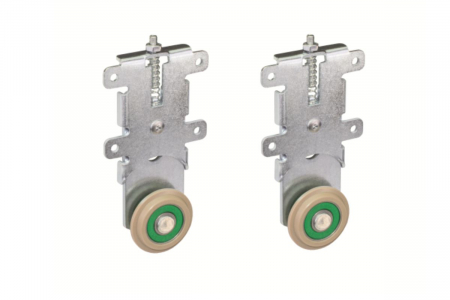
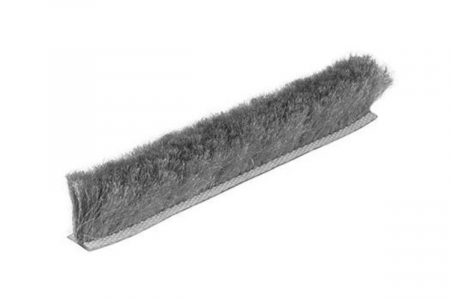
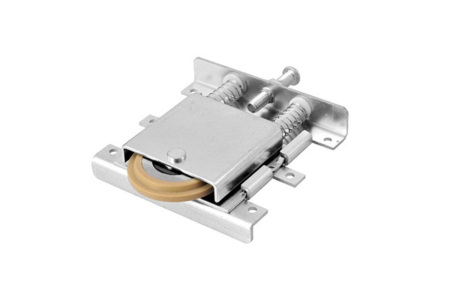
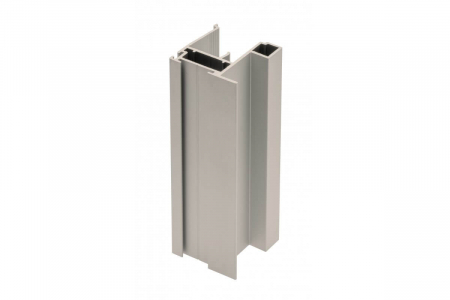
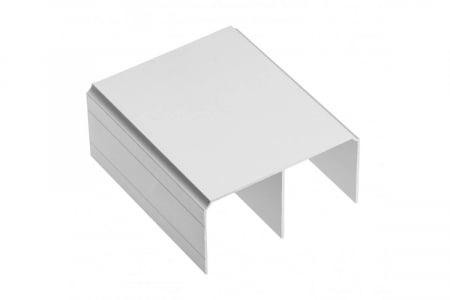
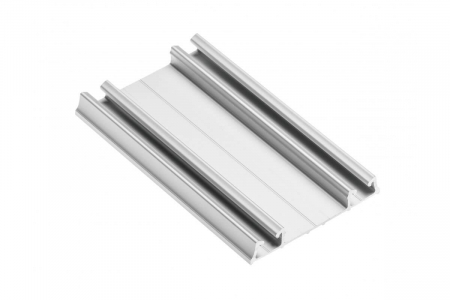
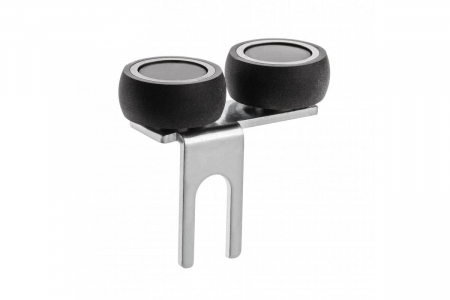
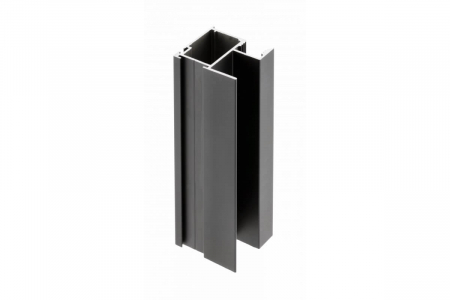
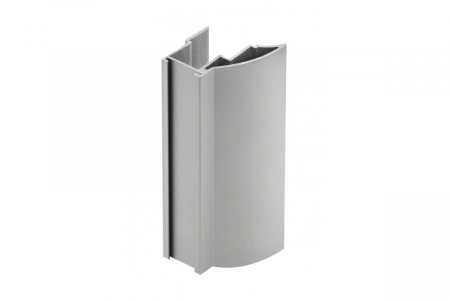
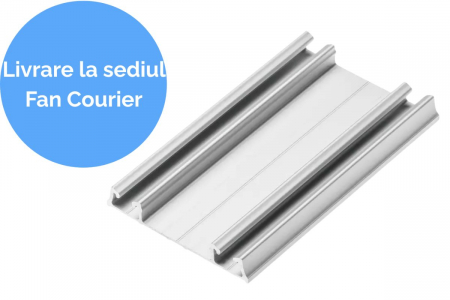
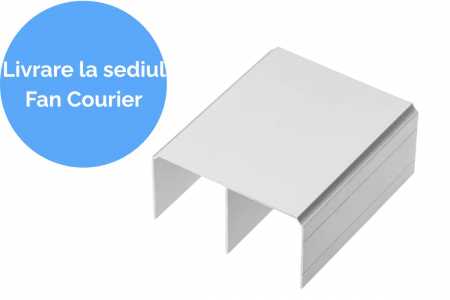
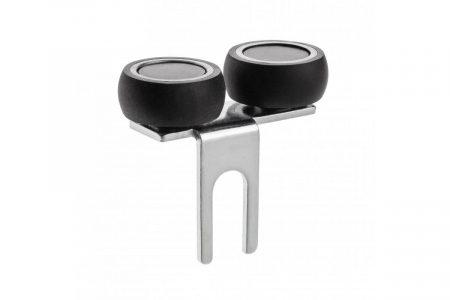
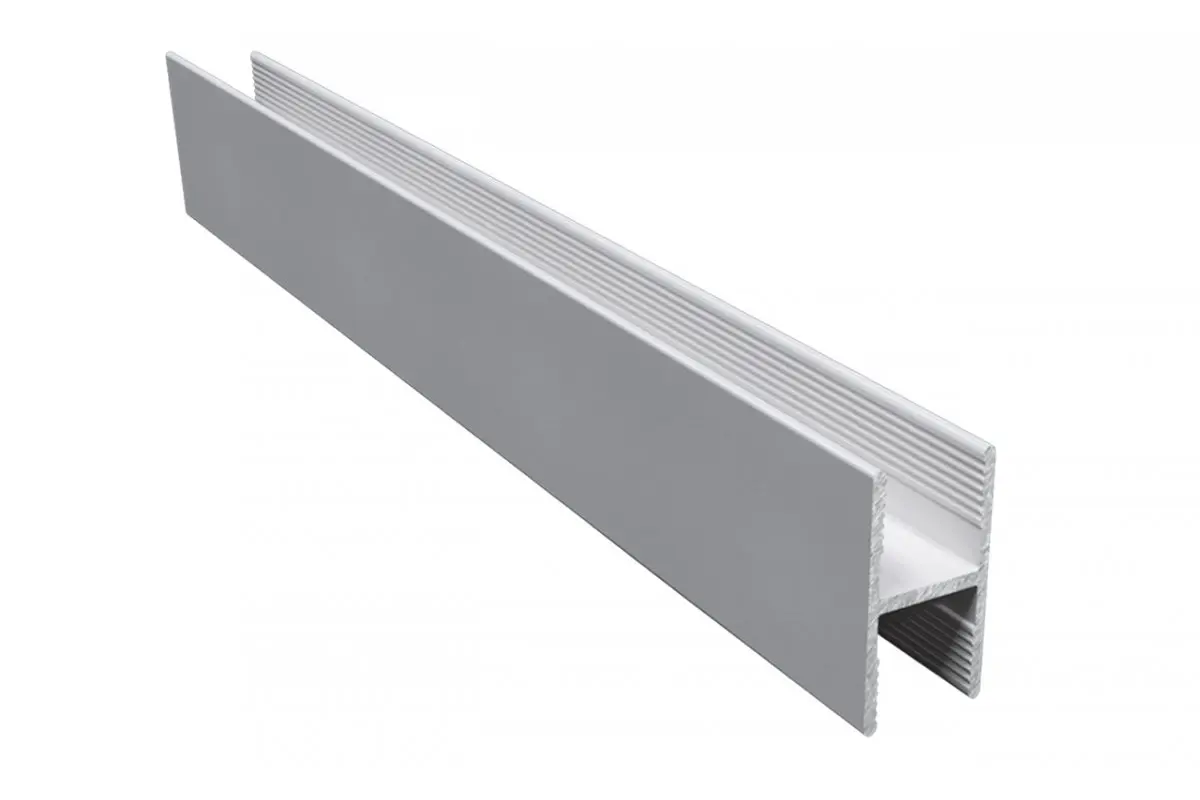
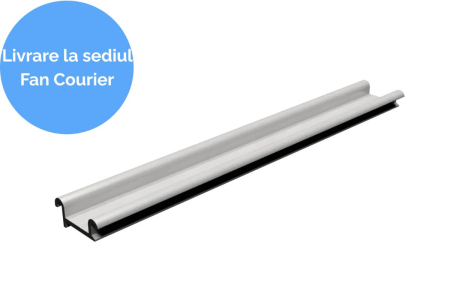
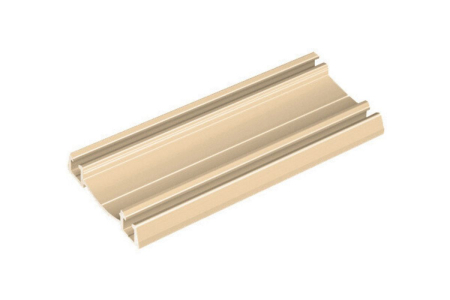
The category of dressing profiles for sliding doors on concris.ro includes the elements necessary to create stable, precise sliding systems adapted to modern furniture production. Whether you design a cabinet with sliding doors or a custom-made dressing room, the correct selection of profiles, rollers and accessories directly influences the operating behavior, installation tolerances and duration of use.
In this category you will find solutions compatible with 10 mm and 18 mm chipboard, as well as panels combined with glass or mirror, designed for door leaves up to 50 kg, with controlled sliding and stable guidance.
Components of a complete sliding door system with dressing profile
A correctly configured technical system for sliding doors includes several interdependent parts. Each has a clear function overall:
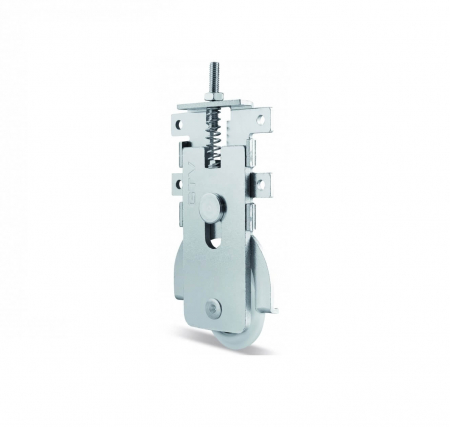
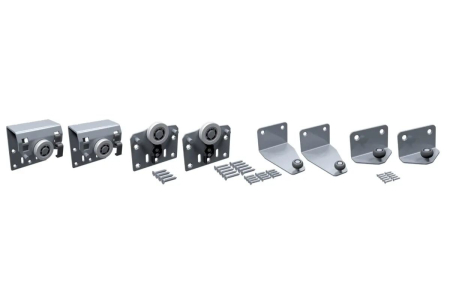
- lower sliding rollers for weight pick-up (e.g. PRO 50 kg roller set);
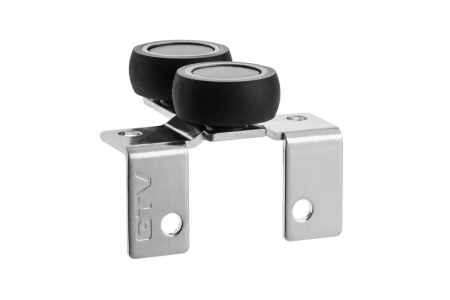
- upper sliding rollers for guidance and lateral stabilization (PGR-10, PGR-18, PG-18, Focus);
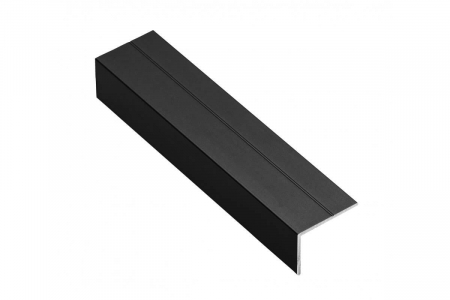
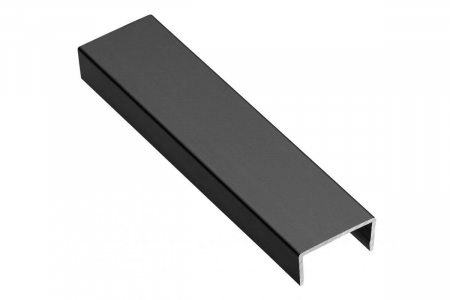
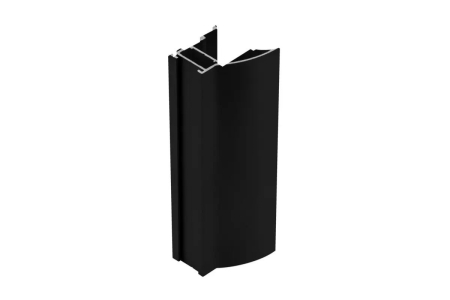
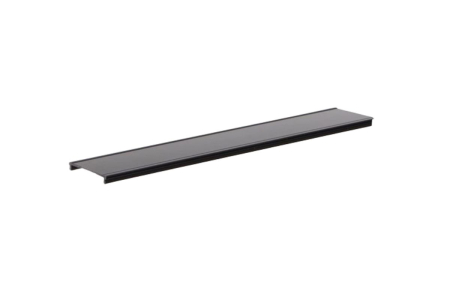
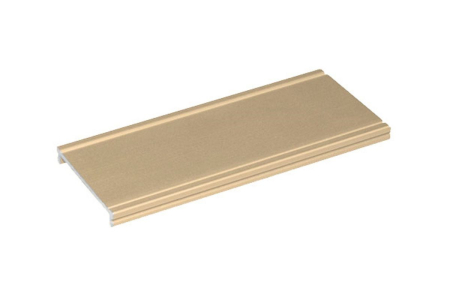
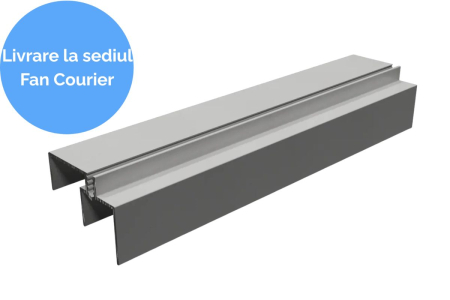
- extruded aluminium handle profiles (Y STEP, NERO), length 2.7 m;
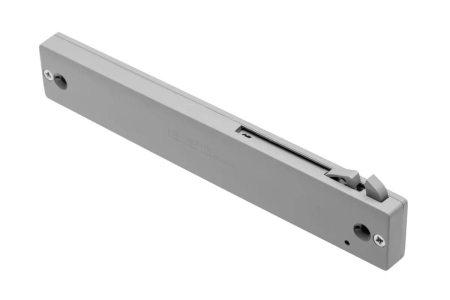
- dampers for controlled closure (e.g. ZIMMER 50 kg);
- Yale for sliding doors, for residential applications or commercial spaces.
The correct configuration of these components ensures predictable operation without blockages, friction or parasitic noises. In series production, compatibility between parts reduces assembly times and subsequent adjustments.
Load capacity and compatibility with 10 mm and 18 mm chipboard
Most of the available systems are sized for 50 kg per door leaf, which covers:
- 18 mm chipboard doors;
- 10 mm chipboard panels integrated into dedicated profiles;
- chipboard + mirror combinations;
- fronts with glass inserts.
For example:
- PGR-18 is designed for 18 mm profiles and panels;
- The PGR-10 is compatible with 10 mm panels.
Before choosing the system, calculate the actual weight of the door, including the mirror or glass applied, the handle profile and any metal crossings. Exceeding the permissible load leads to accelerated wear of the rollers and loss of alignment.
Damping and closure control
For premium residential projects or high-traffic spaces, the integration of a walk-in closet sliding door damper optimizes the behavior of the system.
The ZIMMER 50 kg shock absorber offers:
- closing speed control;
- reduction of noise at the end of the stroke;
- protection of the structure of the furniture body;
- Reduction of shocks transmitted in rollers and profiles.
In the absence of damping, repeated impact when closing can affect both the mechanism and the joints of the case.
Aluminium handle profiles – structural stability and aesthetic integration
The Y STEP and NERO handle profiles, made of extruded aluminium, contribute to the stiffening of the panel and the correct handling of the door throughout the height.
Technical characteristics:
- good resistance to deformation;
- dimensional stability over time;
- matte black finish for contemporary projects;
- standard length 2.7 m, cutable at elevation.
For technical consistency, we recommend correlating the profiles with the rest of the components inthe mobile hardware category , so that the tolerances and finishes are compatible throughout the assembly.
Integration of dressing profile systems into complete furniture projects
A functional dressing room involves correlating the sliding system with the other mechanisms of the body:
- drawer slides, adapted to the total weight of the module – see the range of movable slides;
- pistons for folding doors in the upper modules – available in the piston category;
- additional partitioning elements from the range of other furniture accessories;
- Equipment for precise assembly in the category of other tools and tools.
The unitary approach reduces alignment errors and optimizes installation times on the shop floor or on the construction site.
Advantages and limitations of dressing room sliding door systems
Advantages
- space saving in narrow rooms;
- easy access to the interior partition;
- the possibility of building large fronts;
- low maintenance if the maximum permissible load is respected.
Limitations
- requires precise assembly and correct adjustments;
- profiles that are not suitable for the thickness of the chipboard can generate instability;
- Exceeding the recommended weight affects the duration of use.
For commercial or residential applications with high frequency of use, select systems tested for repeated cycles and avoid combining components from different families.
Technical recommendations for choosing dressing profiles
- Determine the exact weight of each door leaf before ordering.
- Choose compatible top and bottom reels from the same series.
- Integrates shock absorber for doors with large width or frequent use.
- For heights above 2400 mm, use aluminum handle profiles for additional stiffening.
- Assemble the system with calibrated tools and check the alignment of the rails before final fastening.
Consult the offer of dressing profiles for sliding doors on concris.ro and select the right components for your custom furniture projects or series production.
FAQ
What weight does a 50 kg sliding door system support?
A system sized at 50 kg allows the use of a door leaf with a total weight of up to 50 kg, including chipboard, mirror and profiles, if the installation complies with the technical instructions.
What is the difference between upper and lower reels?
The lower rollers take on the weight of the door and ensure running on the rail, and the upper rollers maintain alignment and stabilize lateral movement.
Is the wardrobe sliding door damper necessary?
For residential or commercial projects with frequent use, the damper reduces noise and protects the mechanism from repeated shocks.
Which profile do I choose for 18 mm chipboard?
Opt for 18 mm compatible profiles, such as Y STEP or NERO, for correct fastening and effective stiffening.
Can I integrate these profiles with other furniture components?
Yes. The systems are designed for integration with compatible slides, pistons and accessories, available in the concris.ro offer.