
 EN
EN  Bulgarian
 Magyar
 Polish
LED strips
Most Popular

Newest

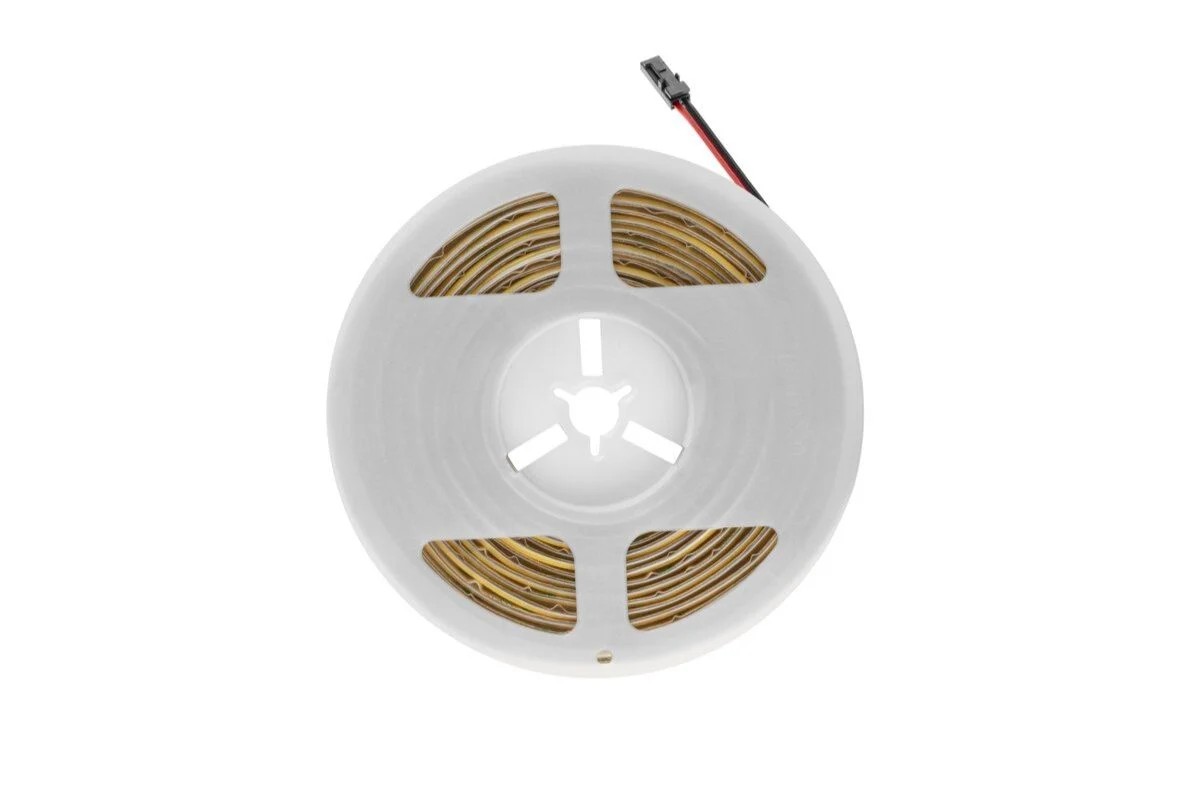
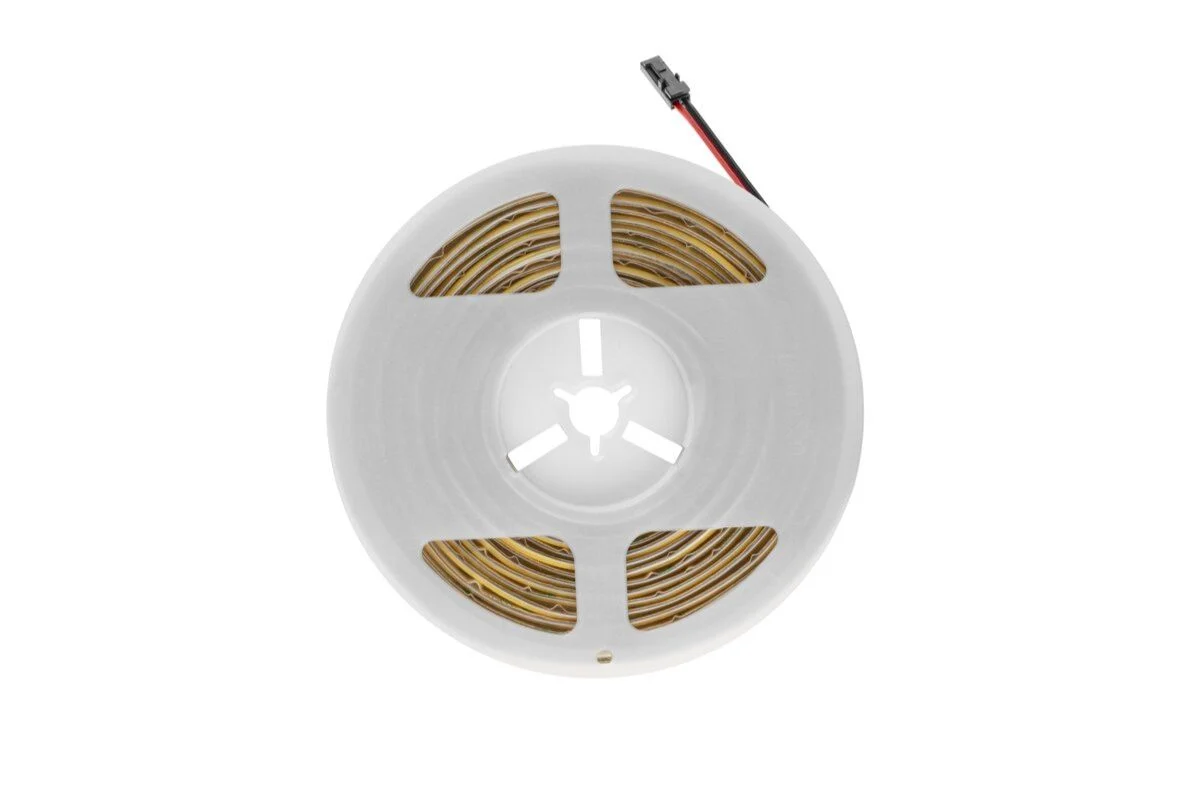
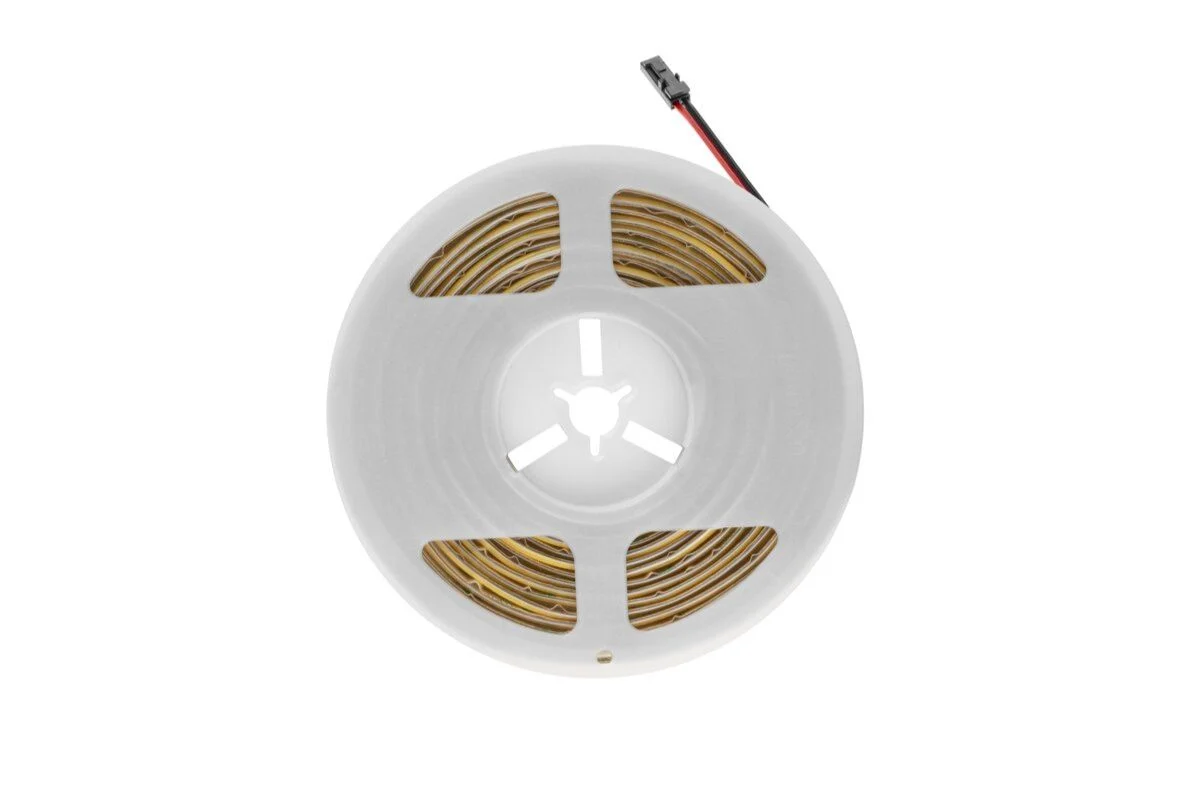
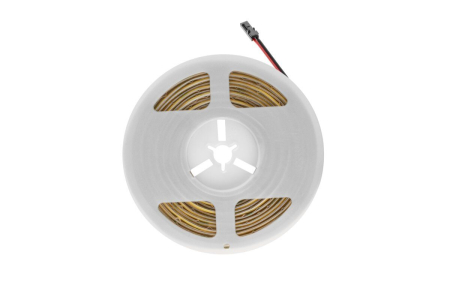
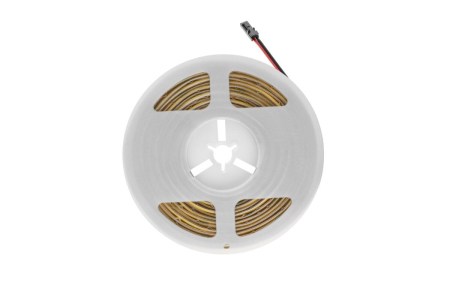
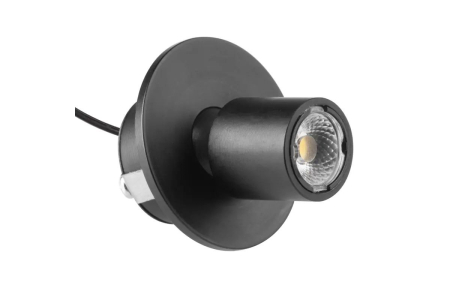
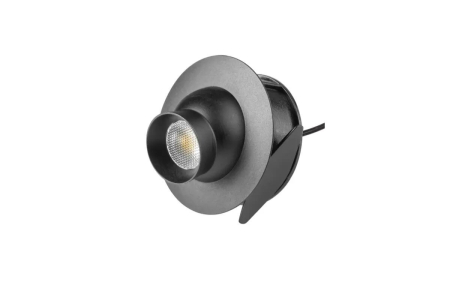
Showing:1-48 of 65products
Filter Brush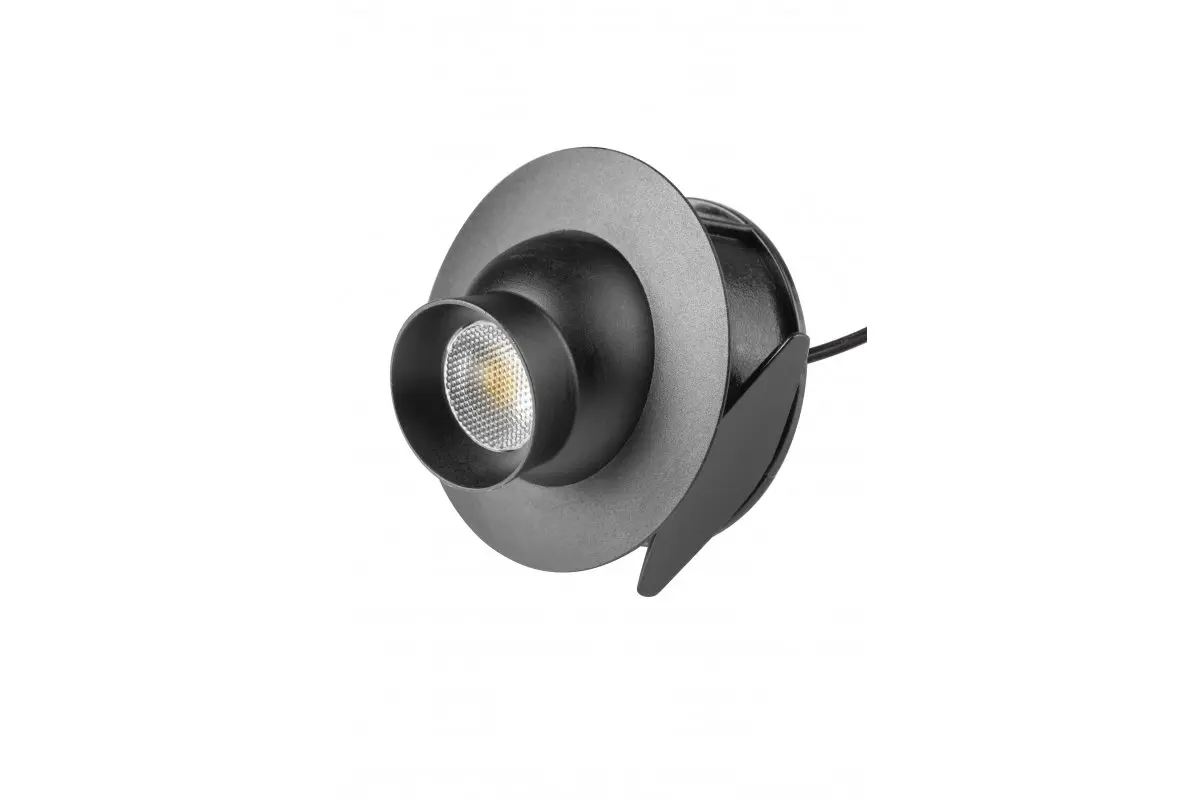
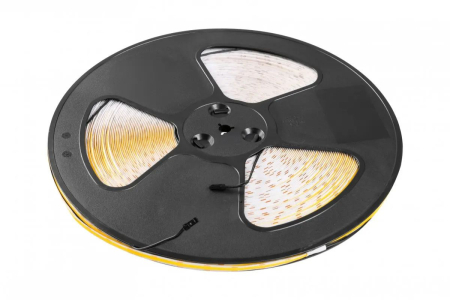
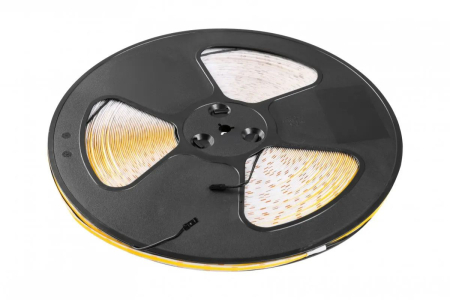
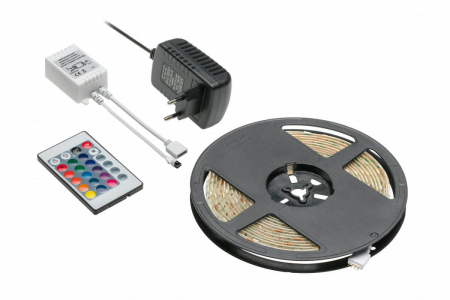
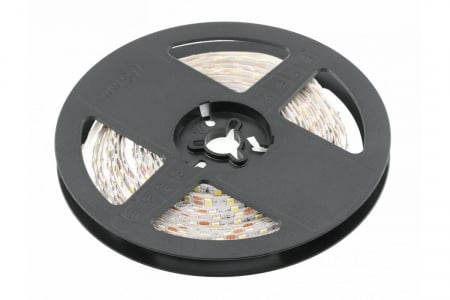
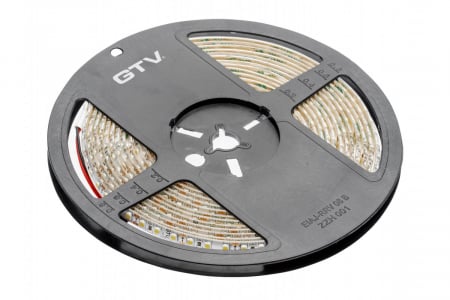
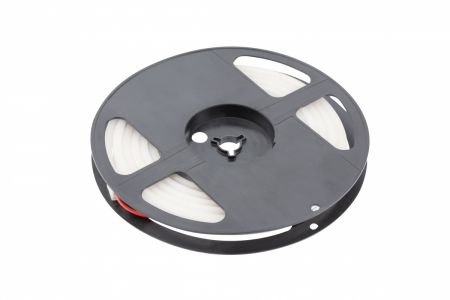
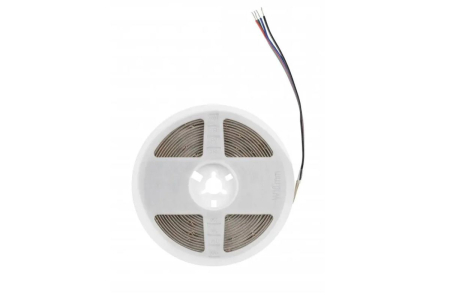
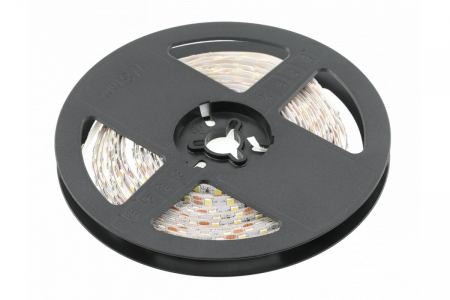
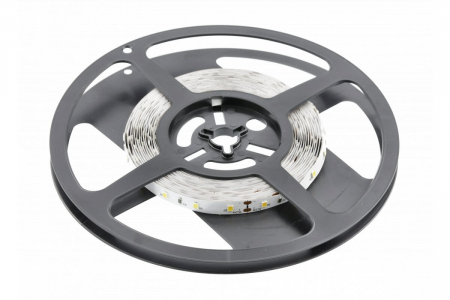
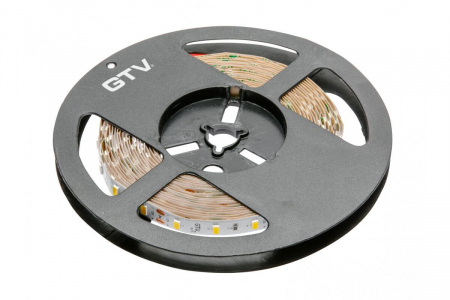
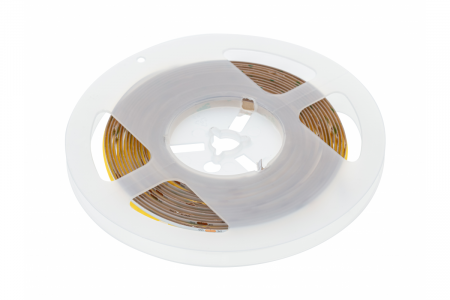
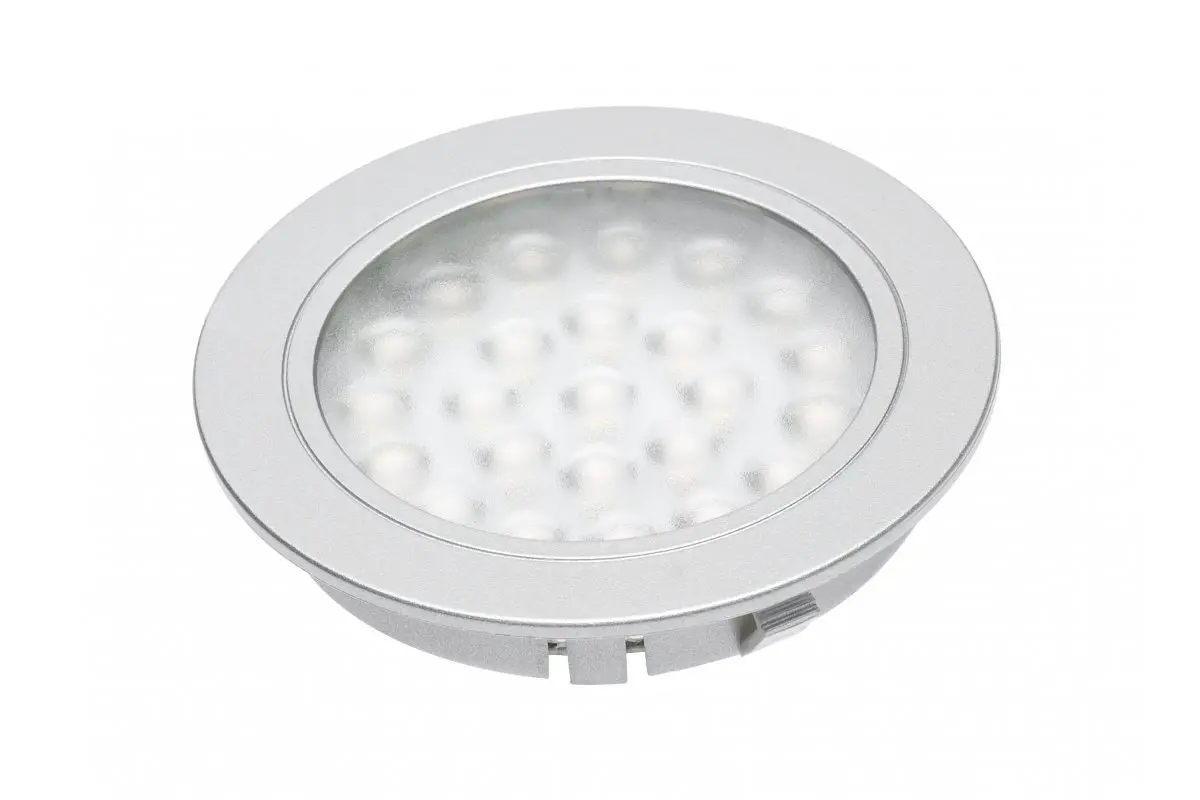
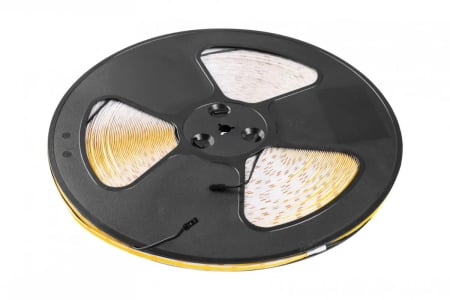
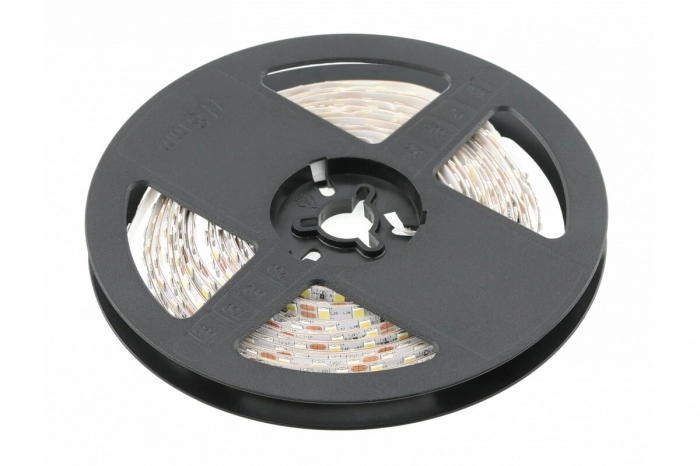
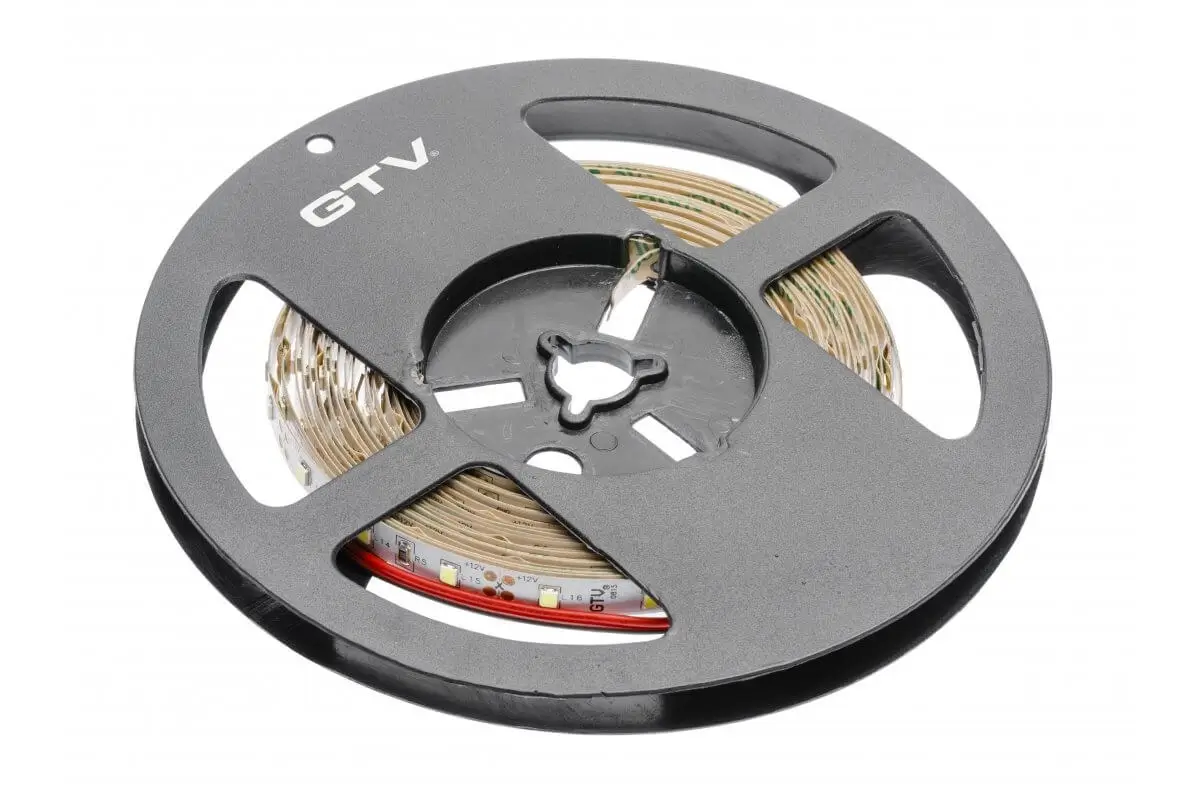
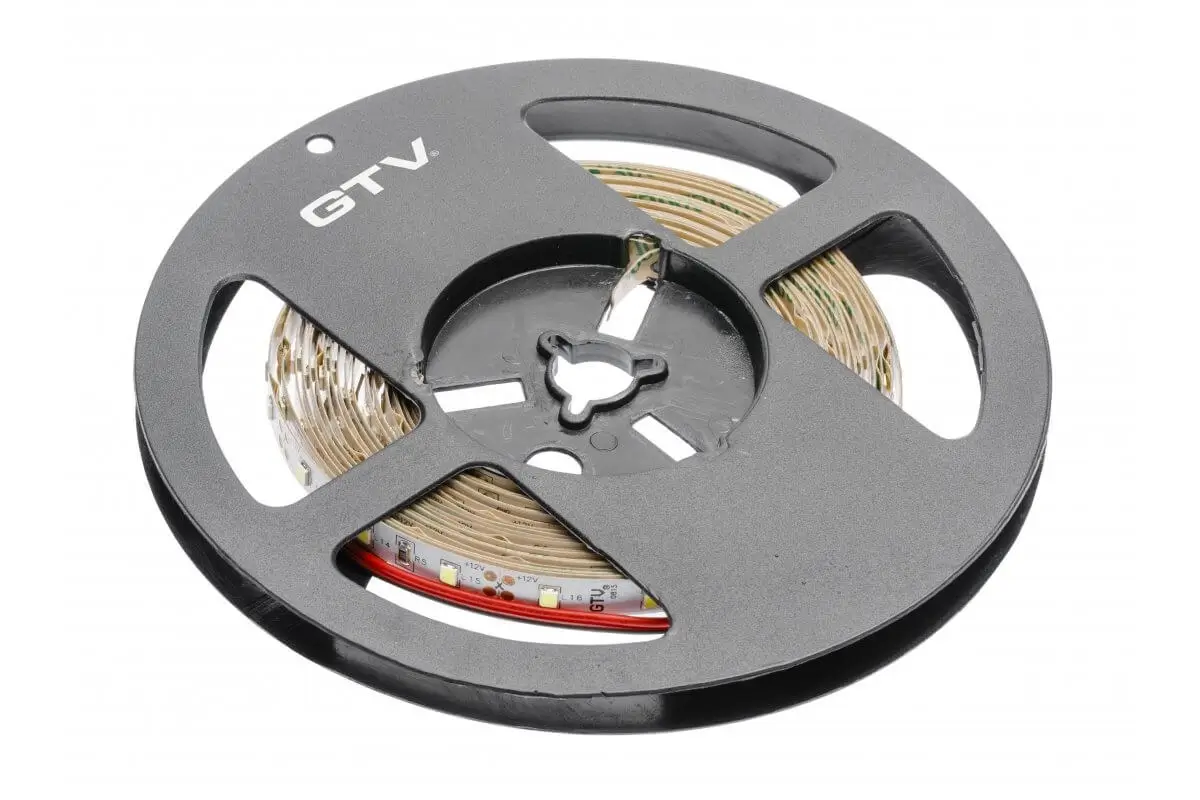
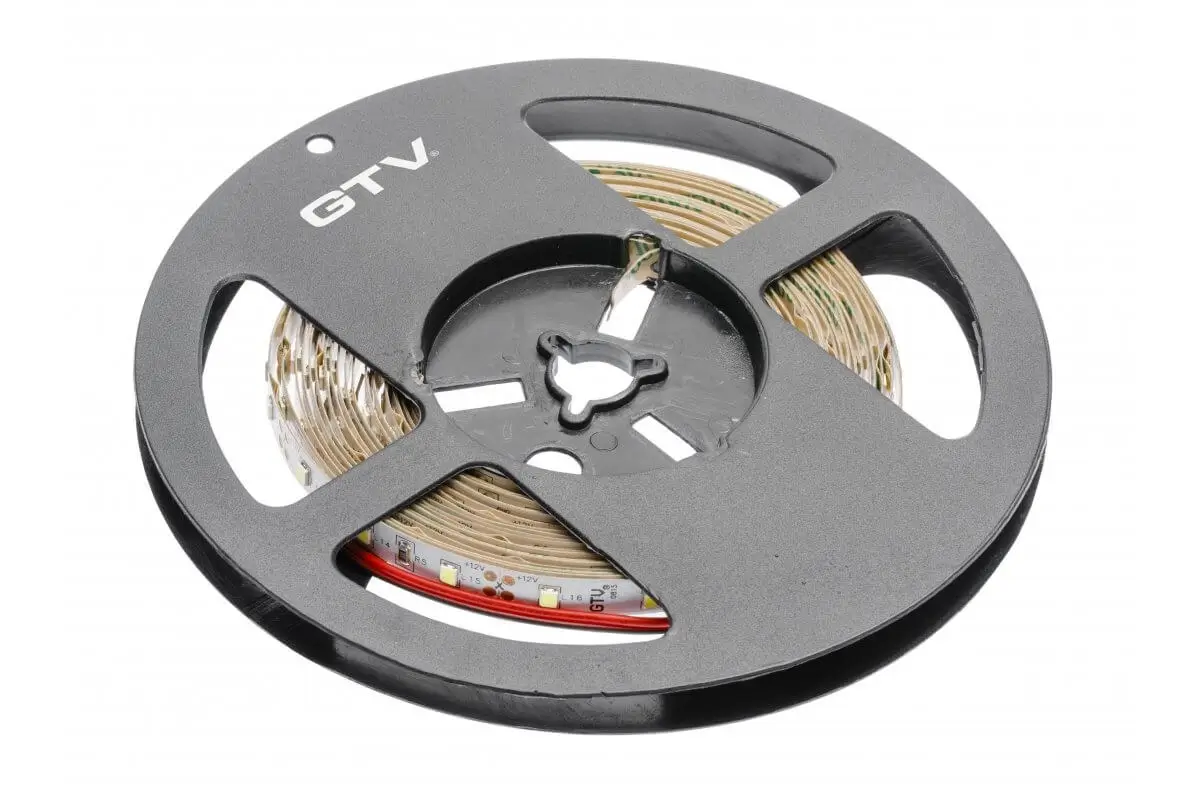
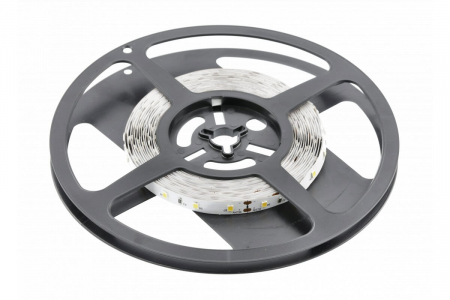
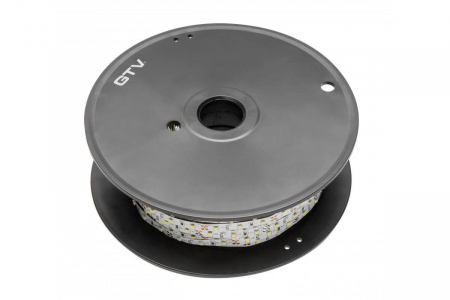
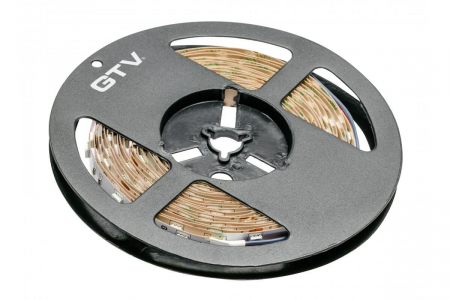
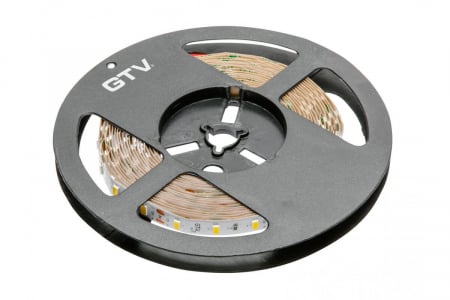
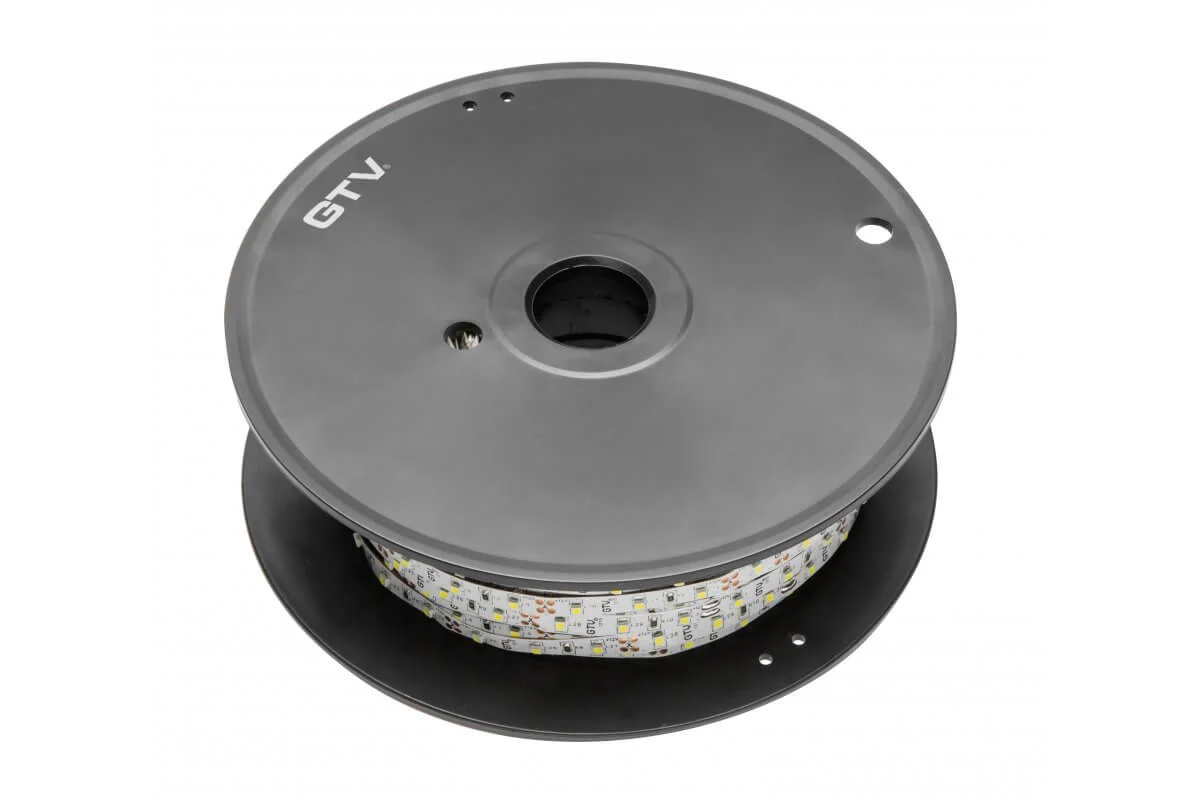
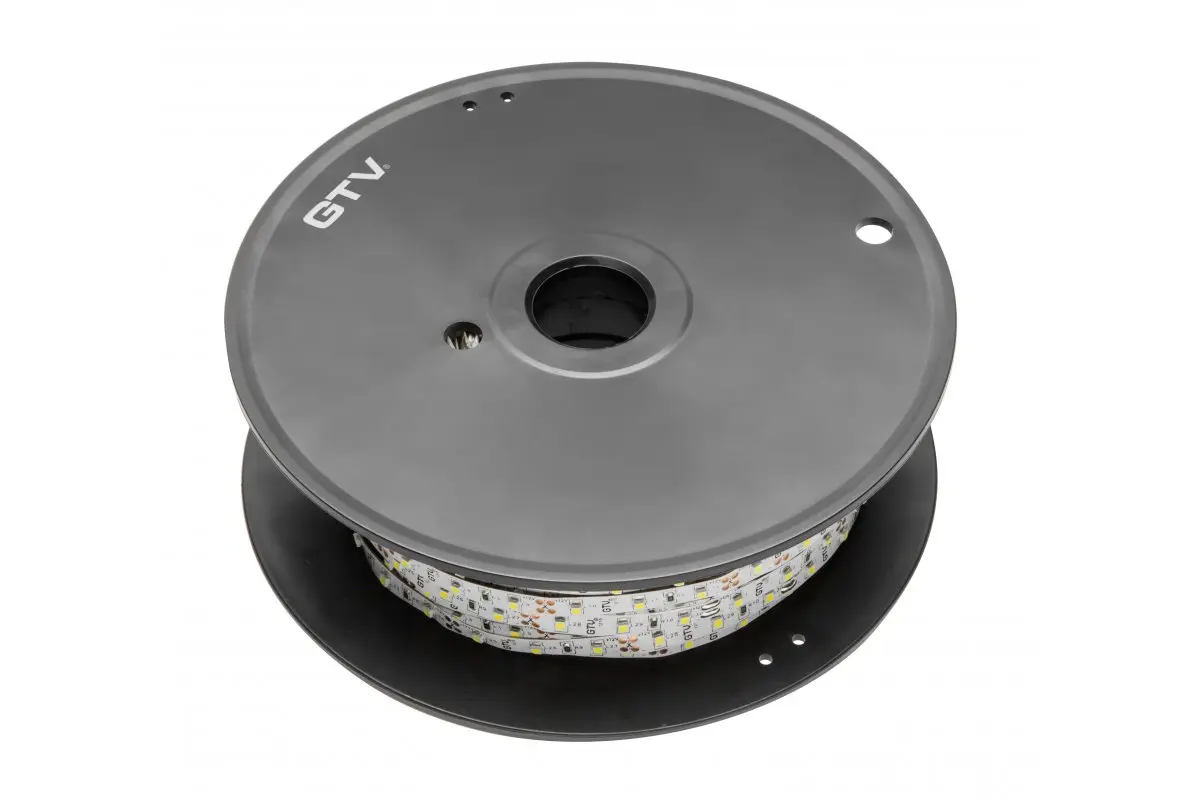
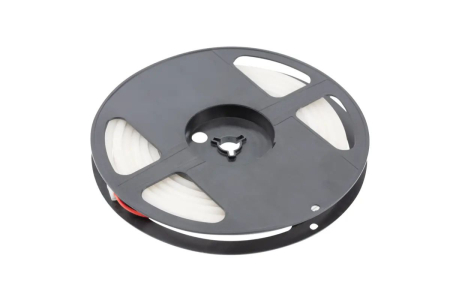
The LED strip category in the concris.ro online store brings together configurable solutions for furniture lighting, interior design projects and commercial applications that require precise control of the luminous flux, energy efficiency and reliability in operation.
If you design kitchens, dressing rooms, shop windows, receptions or ceiling slabs, here you can find LED strip per meter, profiles, power supplies and compatible accessories, so you can build a complete system, adapted to each project.
You can work with 12V or 24V voltages, choose between warm, neutral, cool or RGB light and configure every technical detail – from thermal dissipation to intensity control.
Types of LED strips available
The choice of an LED strip influences the uniformity of the light, the stability of the voltage over long routes and the service life. Depending on the application, consider the following options:
1. Indoor LED strip – IP20
Recommended for furniture, shelves, false ceilings, lighting under suspended cabinets or in decorative niches.
Examples of common configurations:
- COB LED strip 8 mm, 40W, 12V, 2700K – warm, dimmable light,
- COB LED strip 24V, 4000K – neutral light, continuous light,
- LED COB RGB strip 10 mm, 12V, 16W/m.
COB (Chip on Board) technology generates a continuous light line with no visible spots, suitable for applications where aesthetics and uniformity are a priority, such as lighting under suspended fixtures or LED strip for the ceiling.
2. IP65 LED strip – for areas with humidity
For bathrooms, kitchens or commercial spaces with exposure to vapor, LED strips with IP65 protection are recommended.
Example:
- LED strip 10mm FLASH 80W, 6500K,
- LED strip 8mm FLASH 48W, 4000K.
The protective silicone layer limits moisture penetration, but requires mounting in an aluminum profile for adequate thermal dissipation.
3. RGB LED strip and control solutions
For decorative areas, ambient lighting or projects that require color change, you can opt for RGB LED strips or complete kits, such as:
RGB LED strip kit 10 mm 36W 12V IP20 5 m
These solutions allow you to:
- color adjustment,
- intensity control,
- Integration with remote control or controller.
They are commonly used for TV lighting, decorative wall, receptions or display furniture.
Technical parameters that influence performance
When choosing an LED strip for furniture or commercial applications, look at the following indicators:
- Power (W/m) – determines the luminous flux and total consumption,
- Voltage (12V or 24V): 12V – suitable for short routes, 24V – recommended for longer lengths with low voltage losses,
- Color temperature: 2700K – warm ambient light, 4000K – neutral light for work areas, 6500K – cool light for technical applications,
- CRI (Color Rendering Index) – relevant in retail and premium furniture,
- IP degree of protection – IP20 for indoors, IP65 for wet areas,
- Dimmable option – for fine intensity control.
For industrial applications, 220V LED strips can also be used, but 12V or 24V systems are preferred in furniture due to safety and flexibility in installation.
Aluminium LED profiles – correct installation and durability
Mounting the LED strip directly on chipboard or MDF is not recommended. The aluminium takes in the heat generated and maintains the optimal operating parameters.
On concris.ro you can find dedicated variants of aluminum LED strip profile for:
- apparent mounting,
- installation embedded in furniture,
- 90° corner,
- Opal diffuser applications for uniform light.
Using the profile ensures:
- efficient heat dissipation,
- mechanical protection,
- aesthetic integration without visible cables,
- long-term stability of the luminous flux.
Correct feeding and sizing
Calculate the total consumption using the formula: Band power (W/m) × length (m)
Add a reserve of at least 20% and choose an LED strip transformer compatible with the system voltage (12V or 24V).
For lighting control, you can integrate:
- LED strip switch applied or recessed,
- motion sensors for dressing room,
- dedicated dimmers,
- RGB controllers.
Ensure secure connections using suitable electrical outlets and accessories, available in theoutlet category .
Integration of LED strips in furniture and commercial projects
LED strips are commonly used for:
- lighting under the countertop in the kitchen,
- dressing room lighting with sensor,
- LED ceiling strip for scafe and plasterboard,
- retail window lighting,
- Focus on shelves and niches.
In premium furniture projects, they can be combined with:
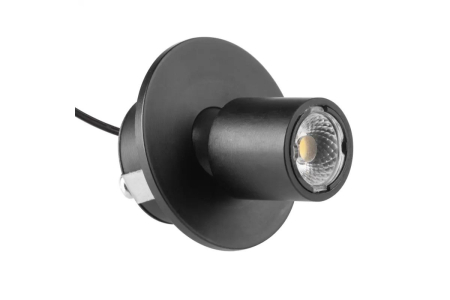
- recessed LED spotlights,
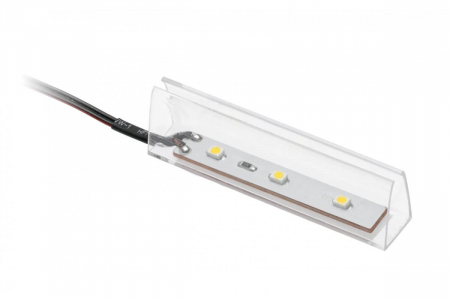
- clips for glass shelves,
- connectors for quick joints.
If you're designing custom furniture, set up the entire system before execution: route, profile, source, power points and maintenance access.
Advantages and limitations of LED strips
Advantages
- high energy efficiency,
- low thickness and flexible installation,
- wide range of color temperatures,
- possibility of dimming and RGB control,
- long service life under correct mounting conditions.
Limitations
- requires a profile for heat dissipation,
- undersized power supply reduces performance,
- Long routes require proper wiring and segment feeding.
Recommendations for the right choice
- Define the type of lighting: ambient, work or decorative.
- Choose the color temperature according to the function of the space.
- It uses aluminum profile for any installation in furniture.
- Correctly size the transformer and wiring.
- Select compatible accessories for high reliability.
In the LED strip category on concris.ro you can find solutions adapted to furniture manufacturers, interior designers and assembly teams who need clear specifications and products compatible with each other. Analyze the technical parameters and configure the right system for your project.
FAQ
Which LED strip should I choose for kitchen furniture?
For indoors, choose 12V or 24V LED strip, IP20. I recommend 4000K for the work area and 2700–3000K for the ambient. Mount the tape in an aluminum profile for proper dissipation.
What is the difference between 12V and 24V LED strip?
The 24V LED strip allows for longer routes with lower voltage losses and better uniformity. For short cabinets, 12V is an effective option if the transformer is correctly sized.
Can I mount LED strip directly on chipboard?
It is not recommended. It uses aluminum profile for cooling and stability over time.
How do I choose the right transformer?
Calculate the total consumption in watts and select a source with at least 20% power reserve.
Which solution is suitable for TV lighting?
You can use RGB LED strip or warm/neutral light, mounted in a discreet profile and controlled by remote control or dimmer.
Which LED strip is suitable for furniture?
The 8 mm, 12V or 24V, IP20 COB LED strips are ideal for furniture due to their continuous light and low thickness.
What is the difference between 12V and 24V?
-
- 12V → for short lengths (under 3–5 m)
- 24V → for long routes with minimal voltage loss
Which LED strip do I choose for wet areas?
IP65 models: NEON FLEX or COB Shrink Tube.
Can I connect LED strip without soldering?
Yes, most strips include MiniAmp connectors for quick connection.
What color temperature do I choose?
-
- 2700K – warm, ambient light
- 4000K – neutral light, ideal for the kitchen
- 6500K – cold light, technical
Are LED strips dimmable?
Yes, most COB and FLASH models are compatible with dimmable switches.
Which LED strip can I use without the need for an aluminum profile?
You can use the 6 mm LED NEON FLEX strip from GTV without the need for an aluminum profile.